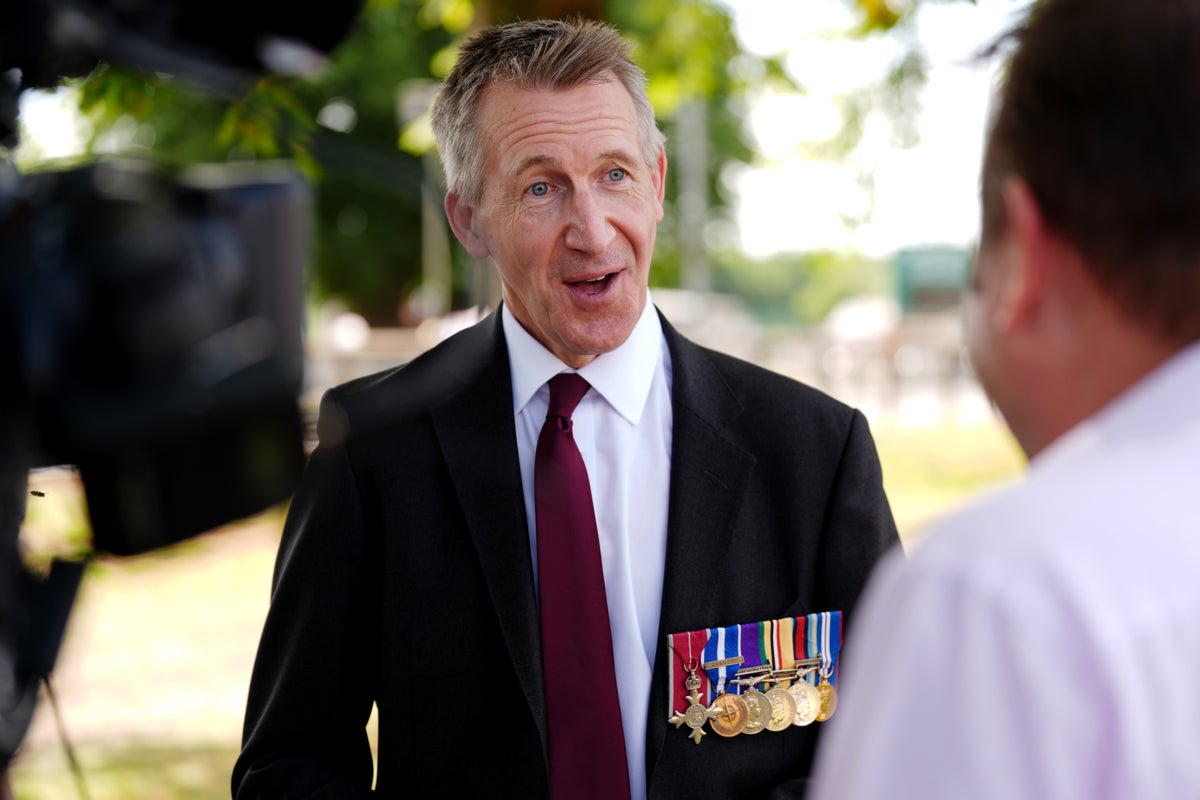
High-speed boats and drones: Commandos pledged £500m defense spending review
Britain’s elite commando forces are set to receive a major £500m investment as part of a long-awaited overhaul of the country’s defense spending strategy.
The revised plan will prioritize high-speed boats and advanced attack drones, with a particular focus on operations in the High North, encompassing the Arctic Circle, amid growing Russian activity in the region.
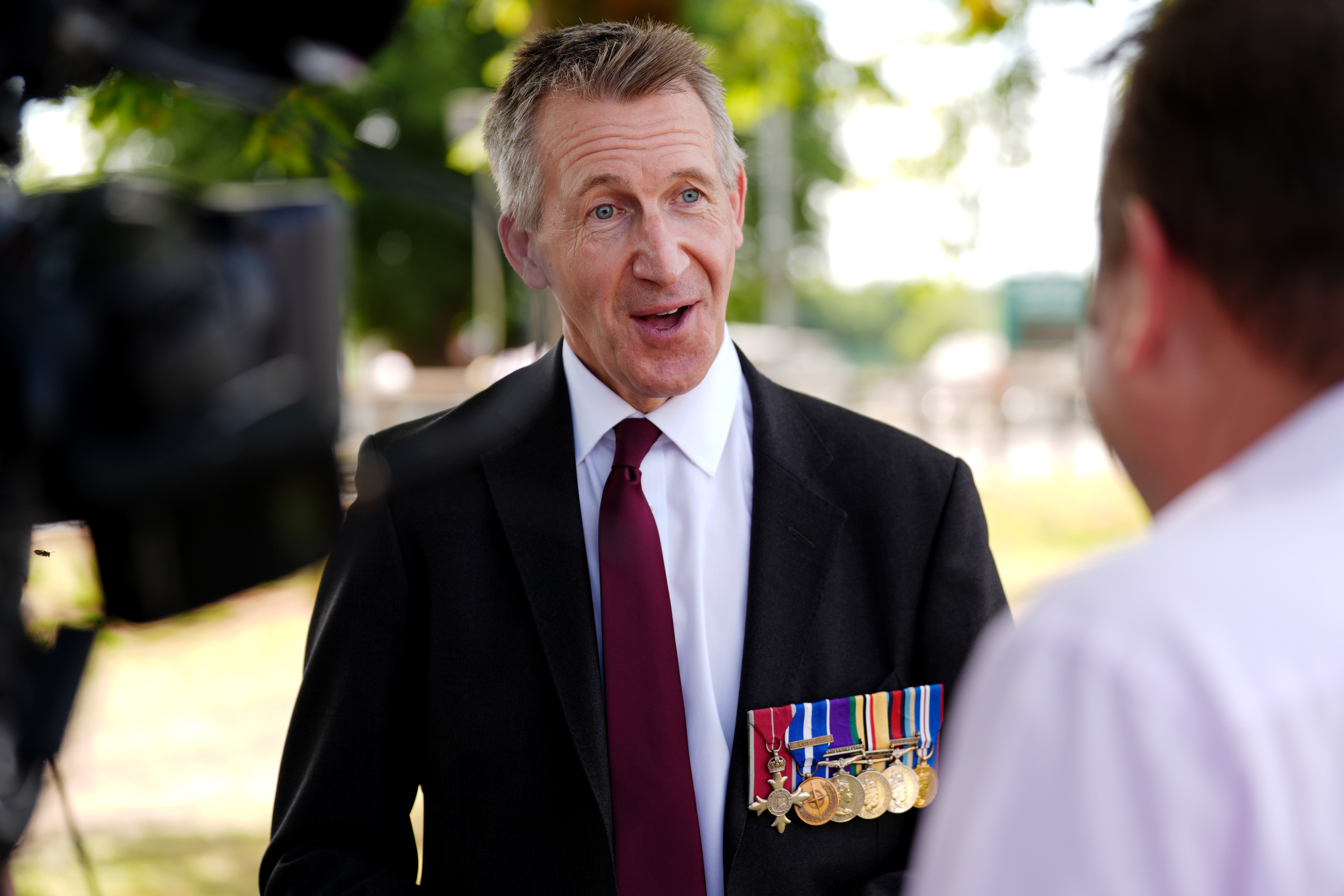
New Defense Secretary Dan Jarvis is credited with refocusing the Defense Investment Plan (DIP) since his appointment earlier this month, with an emphasis on equipping frontline troops.
Mr Jarvis is understood to have secured an extra £1 billion for the plan in negotiations with the Treasury, surpassing the £13.5 billion offer that prompted his predecessor, John Healey, to resign.
Key priorities of the “updated” plan for the sustainability of the armed forces include war readiness and integrated autonomy, which covers equipment such as drones, unmanned ships and land vehicles. Officials say some of the funding will go toward new high-speed commando insertion craft, specialized vessels designed for covert troop transport, which could be deployed in operations such as seizing Russian Shadow Fleet oil tankers.
Around £100 million is earmarked for new technologies, including unmanned ships, “next generation communications” and strike drones. The DIP was initially scheduled to be released last year, but faced delays due to internal government disputes over military funding.
Mr Healey left his Cabinet post earlier this month because the plan only included £13.5 billion in additional investment, which he said was “well short” of what was needed.
The Ministry of Defense said the plan would see the UK work with Norway, a NATO ally with which Britain has partnered as part of increased Russian submarine activity in the High North.
The Defense Secretary told the Press Association on Saturday that “real progress” had been made in recent days, but work was underway to “get it right” before its planned release before July 7.
“I have worked very hard since my appointment to ensure that we have the right resources and the right mix of capabilities,” he said.
“I have a responsibility to make sure I get it right and that’s what I strive for.”
Outgoing Prime Minister Sir Keir Starmer is expected to continue publishing the Dip ahead of the NATO summit on July 7, despite the broader suspension of major policy and spending commitments in government ahead of the transition of power in the coming weeks.
The move could potentially cause friction with his likely successor, Andy Burnham, who may want to have the final say on future funding of the military.
Mr Jarvis said prioritizing commandos would help give them “the equipment they need to stay ahead of our adversaries and defend ourselves”.
“The Defense Investment Plan will prioritize providing the latest equipment to our frontline forces, so they can continue their vital work in an increasingly dangerous world,” he added.
Mr Jarvis, who served as mayor of the Sheffield city region while Mr Burnham was mayor of Greater Manchester, joined other ministers in publicly backing the Makerfield MP as the likely next prime minister.
“He has been an outstanding mayor of Greater Manchester and I think he will be an excellent Prime Minister. He understands the importance of national security and ensuring we have the right amount of resources to invest in our armed forces,” he said.
“This is a process that is absolutely ongoing, but it already builds on a commitment to historic levels of defense funding.
“Yes, we want to do more, and the Dip will achieve it, and, yes, we want to go further, on the other side of the Dip.
“Andy Burnham understood that well. The current Prime Minister understood that well. It’s my job to secure defense and that’s what I work hard for.”
PakarPBN
A Private Blog Network (PBN) is a collection of websites that are controlled by a single individual or organization and used primarily to build backlinks to a “money site” in order to influence its ranking in search engines such as Google. The core idea behind a PBN is based on the importance of backlinks in Google’s ranking algorithm. Since Google views backlinks as signals of authority and trust, some website owners attempt to artificially create these signals through a controlled network of sites.
In a typical PBN setup, the owner acquires expired or aged domains that already have existing authority, backlinks, and history. These domains are rebuilt with new content and hosted separately, often using different IP addresses, hosting providers, themes, and ownership details to make them appear unrelated. Within the content published on these sites, links are strategically placed that point to the main website the owner wants to rank higher. By doing this, the owner attempts to pass link equity (also known as “link juice”) from the PBN sites to the target website.
The purpose of a PBN is to give the impression that the target website is naturally earning links from multiple independent sources. If done effectively, this can temporarily improve keyword rankings, increase organic visibility, and drive more traffic from search results.