Complete guide for web designers
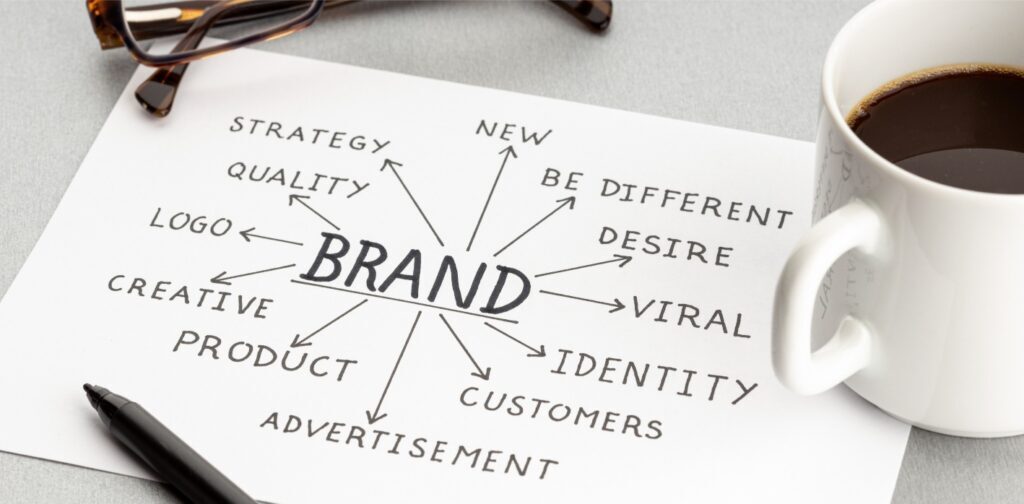
The design of a logo is one of the most important steps to build a brand. A logo is not only a symbol; It represents the identity of the company and helps to connect with the target audience. This guide provides a detailed overview of the entire logo design process – initial brainstorming to final keys – offering information on creating a professional and unique logo.
1. Understand the brand
Before diving into sketches or software, it is crucial to grasp the identity of the brand. A logo should represent the values of a company and effectively communicate its personality. Starting from scratch or refreshing an existing design requires a clear understanding of the brand’s objective to ensure a more targeted process.
Definition of brand identity
The first step is to think about what the brand represents and the emotions it should evoke. For example, a technological startup can target a clean and modern look, while a manufactured product can require heat and details. The establishment of these parameters guarantees that the design aligns with the essence of the company.
Look for competitors and industry trends
The study of logos in similar industries is recommended to identify trends and differentiation opportunities. A creative and well -documented approach makes it possible to make the design memorable without blending into the crowd. For example, understanding what works for small businesses or global brands in the same sector can clarify management.
2. Conceptualization
Once the essence of the brand is clear, it’s time to explore creative ideas. This step is where concepts are starting to take shape, even if they are only raw drafts.
Brainstorming and sketch of ideas
It may be useful to enter a pen and paper to sketch as many ideas as possible. The emphasis should not be placed on perfection but on the capture of the brand’s mind. This initial step is ideal for experimenting with elements that reflect the company’s message.
Boards of mood and inspiration
Building a moodboard with colors, typography and visuals can trigger new ideas. By designing for a small business or a larger company, this technique helps to define aesthetic direction and generate new concepts.
Choose the right design direction
After exploring several options, the design management must be narrowed. The decision must take into account whether the style will be minimalist or detailed, retro or modern. The identity of the brand will guide this choice to ensure that the selected style aligns with the global vision.

3. Logo types and styles
The choice of the right type of logo is essential to create a design that resonates with the target audience and resists the test of time.
Different types of logos
- Word-Mark: Use the brand’s name in a separate font. Examples include Google or Coca-Cola.
- Brand letter: Use initials or abbreviations, such as HBO or NASA.
- Pictorial: A symbol or an icon that represents the brand, for example, Apple from Apple.
- Abstract: A unique geometric shape that does not directly represent something recognizable, like Swoosh from Nike.
- Mascot: A character or an illustration representing the brand, as we see with Colonel Sanders of KFC.
- Emblem: A text combination and a symbol in a form, commonly used by universities or sports teams. Examples include logos from the University of California or NFL teams.

Understanding these types will help to decide which approach is the best thing about the vision and preferences of the company’s public.
4. Choose colors and typography
Color Psychology

The colors are more than decoration – they are a tool to communicate emotions. Blue, for example, transmits confidence and reliability, making it a popular choice for financial and technological companies. A dynamic palette can be suitable for a creative brand, while mute tones can point out sophistication.
Color palette selection
The logo does not require all the colors of the spectrum. A simple and well -balanced color palette is generally more effective. It is often preferable to choose one or two primary colors, associated with one or two secondary colors, to obtain a coherent look that adapts well to various contexts.
Typography
Fonts play an equally important role. The daring and sans-serif fonts transmit modernity, while the serif fonts add a touch of tradition or elegance. The correspondence of typography to the secure global design, the logo remains coherent and effective.
5. Digital design process
Use of design software
Modern tools like Adobe Illustrator and Figma facilitate transformation ideas into evolutionary and high quality conceptions. Vector graphics guarantee that the logo seems clear on all platforms, from business cards to billboards.
Creation of vector conceptions
It is important to create a logo as a vector graph. Vector files (.svg, .eps) are crucial because they allow the logo resize without compromising quality.
Grid and alignment systems
The use of a grid system during the design phase helps maintain balance and alignment, ensuring that the final logo feels polite and professional.

6. Refine the logo
Simplification
The less is often more about the design of the logo. A clean and simple logo is easier to remember and recognize. Unnecessary elements or excessive details should be deleted to avoid the design.
Comments and iteration
It may be useful to show others design for constructive comments. Adjustment according to suggestions can improve the overall impact of the logo, ensuring that it works well in various contexts.
7. Finalize the logo
Export in several formats
Once the logo is finalized, the next step is to export it to several formats. Current formats include:
- SVG and EPS: vector formats for scalability.
- Png:: A high quality image file with a transparent background.
- Jpeg:: A format widely used for web applications.
Creation of a logo style guide
A style guide ensures coherent use of the logo. The spacing guidelines, color pallets and acceptable variations must be included to maintain the brand’s integrity at all contact points.
Conclusion
The design of a logo is more than the simple creation of an image; It is a question of capturing the essence of a brand and of presenting it to the world. By following these steps and remaining open to creativity and feedback, a design that stands out and establishes a lasting connection with its audience can be designed.
Luxury jewellers/a>
Berita Olahraga
Lowongan Kerja
Berita Terkini
Berita Terbaru
Berita Teknologi
Seputar Teknologi
Drakor Terbaru
Resep Masakan
Pendidikan
Berita Terbaru
Berita Terbaru
Berita Terbaru